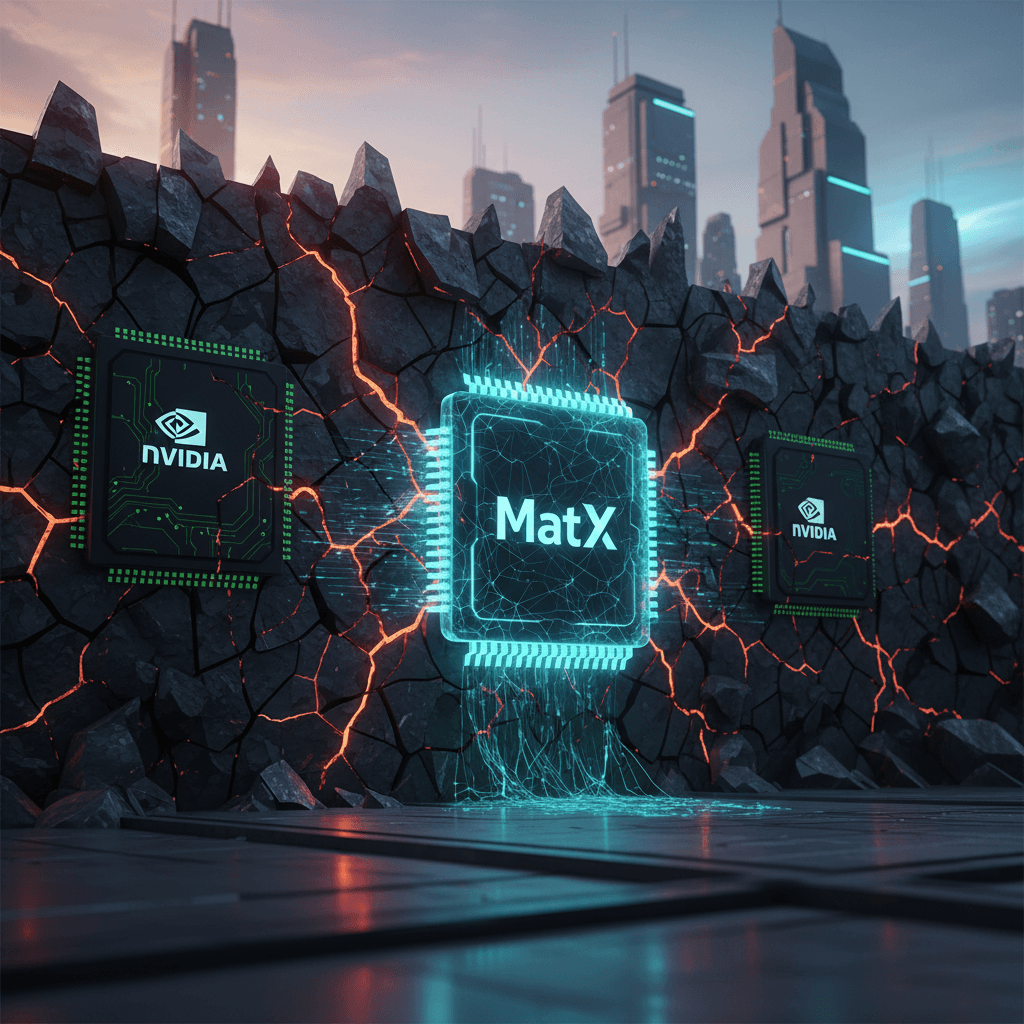
Okay, let's cut through the jargon. In venture capital, there’s this ominous beast called the “valley of death.” It's not a myth, believe me. I’ve seen enough promising startups — brilliant ideas, smart people — crash and burn there because they couldn’t get from a working prototype to a commercial product. So, when TechCrunch dropped the news that Climactic, a VC firm with a decent track record, is launching a new hybrid fund specifically to tackle this problem, my ears perked up. And apparently, the entire tech world's did too.
Why the buzz? Because this isn’t just another software play. We're talking "hard tech" here, especially climate solutions. These aren't apps you can build in a garage over a weekend. They demand serious R&D, physical infrastructure, and timelines that make a traditional seed-to-Series A sprint look like a leisurely stroll. The old "move fast and break things" mantra? That never really applied to building a new battery chemistry or a massive carbon capture system. It’s always been about "build fast and scale effectively," and frankly, we've been bad at funding that crucial middle ground. Seed capital is easy enough to come by if you have a decent pitch deck, and late-stage investors will jump on a proven winner. But getting from that cool demo to a revenue-generating, market-ready product? That's where innovation goes to die. Climactic is stepping into that void, and I, for one, am genuinely interested to see if this model sticks.
The Abyss: Why Hard Tech Hits Rock Bottom
Alright, let’s be brutally honest about the valley of death. We've all heard the term, but for some companies, it's less a valley and more a Mariana Trench. It’s that awkward, painfully long phase after you’ve scraped together some initial seed money, but before you’re actually making enough cash to be self-sustaining. For your average SaaS startup, it’s a sprint. They build software, get some users, iterate, and with a bit of luck, they start generating revenue. But for "hard tech" — think climate solutions, biotech, advanced robotics — it’s a marathon across a minefield. You're dealing with tangible, physical things: custom hardware, complex chemical processes, maybe even entirely new infrastructure projects. These aren't things you can debug with a few lines of code at 2 AM. Trust me, I've done enough of that to know the difference.