Pollan's Simple Food Truths Resurge Amid Health Crisis
HEALTHNews

Pollan's Simple Food Truths Resurge Amid Health Crisis

Sarah Mitchell
Sarah Mitchell

Business & Policy Correspondent

·Updated 3d ago·4 min read·886 words
foodpollanhealthprocessedconsumption
Share:

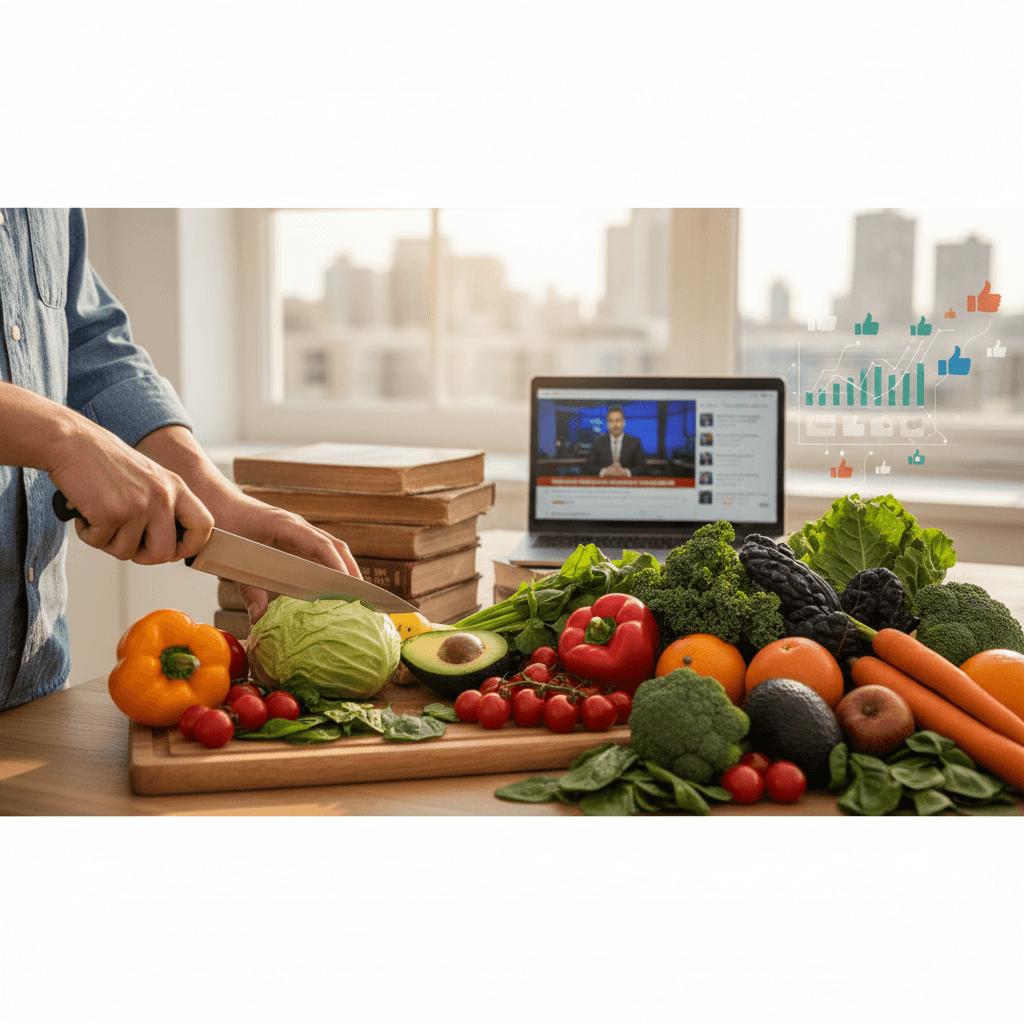
The cacophony of modern wellness — from biohacking gurus to injectables promising effortless weight loss — often obscures a far simpler, more profound truth. And now, it seems, the public is finally listening again. Michael Pollan, the journalist who patiently peeled back the layers of our industrial food system decades ago, is back in the spotlight. His recent appearance on CBS News' 60 Minutes served as a stark reminder of his enduring message: what we eat matters, deeply and simply. For someone like myself, who spends countless hours sifting through corporate filings and public health reports, the renewed interest isn't just fascinating; it's a critical barometer of public desperation for clarity.

Why Pollan's Mandates are Back in Vogue

What drives this sudden, almost urgent, rediscovery of Pollan's work? It’s not merely nostalgia for his seminal In Defense of Food, published way back in 2008. No, this surge is a direct, quantifiable reaction to a healthcare system teetering under the weight of diet-related chronic disease across North America and Europe. We are collectively exhausted by the endless parade of contradictory diet fads, the relentless churn of "superfoods" and "detoxes" peddled by a multi-billion-dollar wellness industry.

Simultaneously, meticulous new research on ultra-processed foods (UPFs) is exposing a devastating correlation between their consumption and declining public health. This effectively pulls back the curtain on the profitability of products designed for addiction, not nutrition. The public, I believe, is finally connecting the dots between the center aisles of their grocery store and their escalating medical bills.


Editor's take: The real trend here isn't just Pollan's enduring wisdom, but the belated public reckoning with the financial and health costs of a food system built for efficiency and profit over genuine nourishment. The numbers on chronic disease are simply becoming too large to ignore, even for those who prefer to keep their heads buried in the sand.

The Core Philosophy: Separating Food from "Food-Like"

Pollan’s philosophy cuts through the noise with almost brutal simplicity. He challenges the very notion of what we consider "food." For him, much of what lines supermarket shelves isn't food at all; it's what he famously terms "edible food-like substances." This isn't mere semantics; it's a trenchant critique of an entire industry.

What to Eat: Back to Basics

  • Whole Foods: If your great-grandmother wouldn't recognize it as food — a raw carrot, an apple, a cut of meat, a handful of oats — then perhaps it isn't. This principle alone would eliminate a staggering percentage of items from the modern shopping cart.
  • Plants: While not a strict vegetarian, Pollan advocates for a plant-centric diet. Think of plants not as a side dish, but as the main event, providing essential fiber, vitamins, and micronutrients often absent in highly processed diets.
  • The Perimeter: A simple logistical hack for navigating the modern supermarket. Most of the genuinely nutritious fare — fresh produce, dairy, meats — resides along the outer perimeter of the store. The center aisles, conversely, are typically a labyrinth of processed, packaged, and often nutritionally dubious goods.

What to Avoid: The Industrial Impostors

And what about the items we should steer clear of? Pollan offers equally straightforward guidelines that, for a financial journalist, read like a forensic audit of a product's true value proposition.

  • Ingredient Count: More than five ingredients? A red flag. The longer the list, the more likely you're looking at a product engineered, rather than grown or prepared.
  • Unpronounceable Ingredients: If you can't pronounce it, or wouldn't stock it in your own pantry, why would you willingly ingest it? This simple test bypasses scientific jargon to expose chemical additives and industrial shortcuts.
  • Health Claims: This is where the marketing budgets truly shine. Products loudly proclaiming their "low-fat," "high-fiber," or "heart-healthy" status are often compensating for a litany of other nutritional deficiencies. Real food, Pollan implies, doesn't need to shout its virtues from the packaging.
Editor's take: The food industry spends billions on research and development to make products maximally palatable and endlessly shelf-stable. Their financial incentives are often directly at odds with public health. Pollan's rules, in essence, provide a consumer-side defense against these deeply entrenched commercial strategies. It's about empowering the individual to opt out of a system designed to maximize consumption, not health.

Beyond the Plate: A Cultural Reset

Beyond the "what," Pollan’s wider "food rules" offer a cultural reset. They urge us to reclaim agency over our diets and reconnect with the origins of our sustenance.

  • "Don't eat anything your great-grandmother wouldn't recognize as food." – A powerful anchor to culinary tradition.
  • "Cook." – Re-engaging with food preparation, rather than passive consumption.
  • "Eat meals." – A return to communal eating, slower consumption, and appreciation.
  • "Don't get your fuel from the same place your car does." – A pithy condemnation of convenience store eating.
  • "Eat slowly." – Simple advice that impacts digestion and satisfaction.

Ultimately, Pollan boils it down to seven words, a mantra that echoes with increasing urgency in our overstimulated, over-processed world: "Eat food. Not too much. Mostly plants." It's a remarkably clear directive, devoid of marketing hype or scientific obfuscation, and perhaps that's precisely why it resonates so strongly today. For a society grappling with the complex fallout of its dietary choices, a dose of common sense, backed by decades of observation, might just be the most potent prescription of all.

Related Articles