Nvidia's AI Gambit in India

Alex Chen
Alex Chen

Senior Tech Editor

·Updated 4d ago·5 min read·904 words
nvidiaindiastartupstechindian
Share:

Nvidia Isn't Just Investing in India. It's Colonizing Its AI Future.

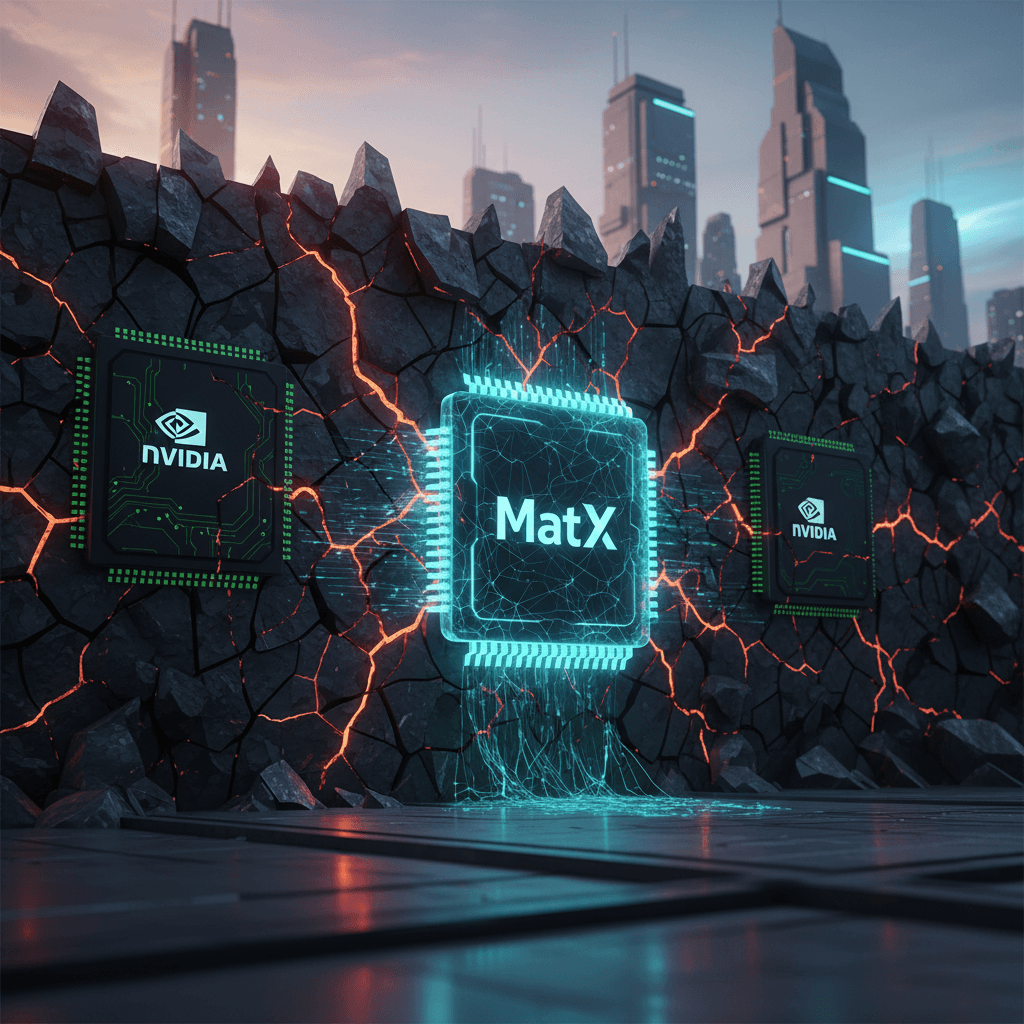
Let's skip the pleasantries. While everyone is mesmerized by multi-billion dollar model training runs in Santa Clara, Nvidia is quietly executing one of the most strategic, and frankly, smartest, ecosystem plays I've seen in a decade. They're pouring resources into India's earliest-stage AI startups. On the surface, it looks like a standard corporate venture capital move. It's not. This is about infrastructure, dominance, and making their hardware-software stack the literal ground floor of the world's next great tech boom.

The chip giant's "Inception" program now includes over 900 Indian startups, a number that's frankly staggering. As recently reported by TechCrunch, this isn't just a mailing list. It involves deep ties, including investments in companies like Sarvam AI and Krutrim, which are building India-specific large language models. They’re getting in on day one.

So Why Does This Matter Right Now?

This isn't just about finding the next unicorn. It's a calculated campaign to ensure that as India’s tech scene explodes, it does so on Nvidia's terms. India is on track to have the world's largest developer base by 2027. We're talking millions of engineers who will be building the next generation of applications. By providing these budding startups with resources, discounted cloud access, and technical guidance, Nvidia is ensuring their brains get hardwired to think in one language: CUDA.

For a company with a market cap flirting with $2 trillion (a figure that still feels like a typo when I write it), the seed money they are spreading around is a rounding error. But the return on investment isn't measured in dollars. It's measured in developer dependency. You get the next million AI developers building on your platform, and you've built a moat that no competitor — not AMD, not Intel, not some future homegrown Indian chip — can cross without a fight.

The Microsoft Playbook, Rebooted for AI

I've been in this industry long enough to see this pattern before. This is a direct echo of Microsoft's strategy in the 1990s. Their goal was to put Windows on every desktop, and they did it by winning over developers. They flooded universities with free software, they built powerful tools like Visual Studio, and they evangelized their platform relentlessly. It was a classic "embrace, extend" strategy, and it cemented their dominance for decades.


Nvidia is doing the same thing, but with a modern stack. Instead of Windows, the platform is CUDA. Instead of Visual Studio, it's the DGX Cloud and a suite of AI Enterprise software. They are nurturing the ecosystem that will, in turn, demand their hardware. It’s a beautifully simple, self-perpetuating cycle. They aren't just selling the shovels for the gold rush; they're ensuring the entire mining industry is built around their patented shovel design.

Editor's Take: This is a long game, and it’s brilliantly cynical. The goal isn't to find one startup they can acquire for a billion dollars. The goal is to create a market of a thousand startups that are incapable of operating without Nvidia's hardware. It’s cheaper to buy their loyalty now with a few million in credits and support than it is to fight a brutal standards war against a competitor in 2030. They are embedding themselves into the very DNA of India's AI ambitions.

The Real Prize: A Generation of Builders

The mainstream take misses the human element. The real prize isn't a portfolio of logos; it's a generation of engineers. By supporting companies like Sarvam AI, Nvidia ensures that the foundational models for Indic languages and Indian business problems are optimized for their silicon from the first line of code. Every new hire at these startups, every university student who wants to intern there, will learn and master the Nvidia stack. It becomes the default, the baseline, the assumed starting point for all serious work.

What happens when you own the cognitive toolkit of a nation's brightest engineers? You win. For a very, very long time.

My Prediction: The Downstream Consequences

This isn't going to just result in a few successful Indian startups. The ripple effects will be far broader. Here's what I'm watching for:

  • Industry Impact: Within the next 24-36 months, expect an explosion of hyper-localized AI applications out of India. Forget generic chatbots. Think AI for managing regional supply chains, models that understand the nuance of 15 different Indian languages, and agricultural tech that works for small-hold farmers. These won't be knock-offs of Western products; they'll be built for India's unique needs, all running on Nvidia.
  • Geopolitical Impact: As a senior official at a major tech company once told me over a far-too-expensive coffee, "the platform that runs a country's AI, runs a part of its economy." By embedding itself so deeply, Nvidia is exporting not just technology, but a sphere of influence. This solidifies a US-aligned tech stack in a critical region, creating a powerful counterweight to Chinese technological ambitions, a topic Wired has covered extensively. It's soft power, delivered on a GPU.

For developers and engineers inside India, the message is clear: the path of least resistance to funding, resources, and cutting-edge work now runs directly through an Nvidia-powered ecosystem. For the rest of the world, it's a stark reminder that while we watch the AI titans battle in the West, the foundation for the next decade of growth is being strategically laid, one startup at a time, thousands of miles away.

Related Articles