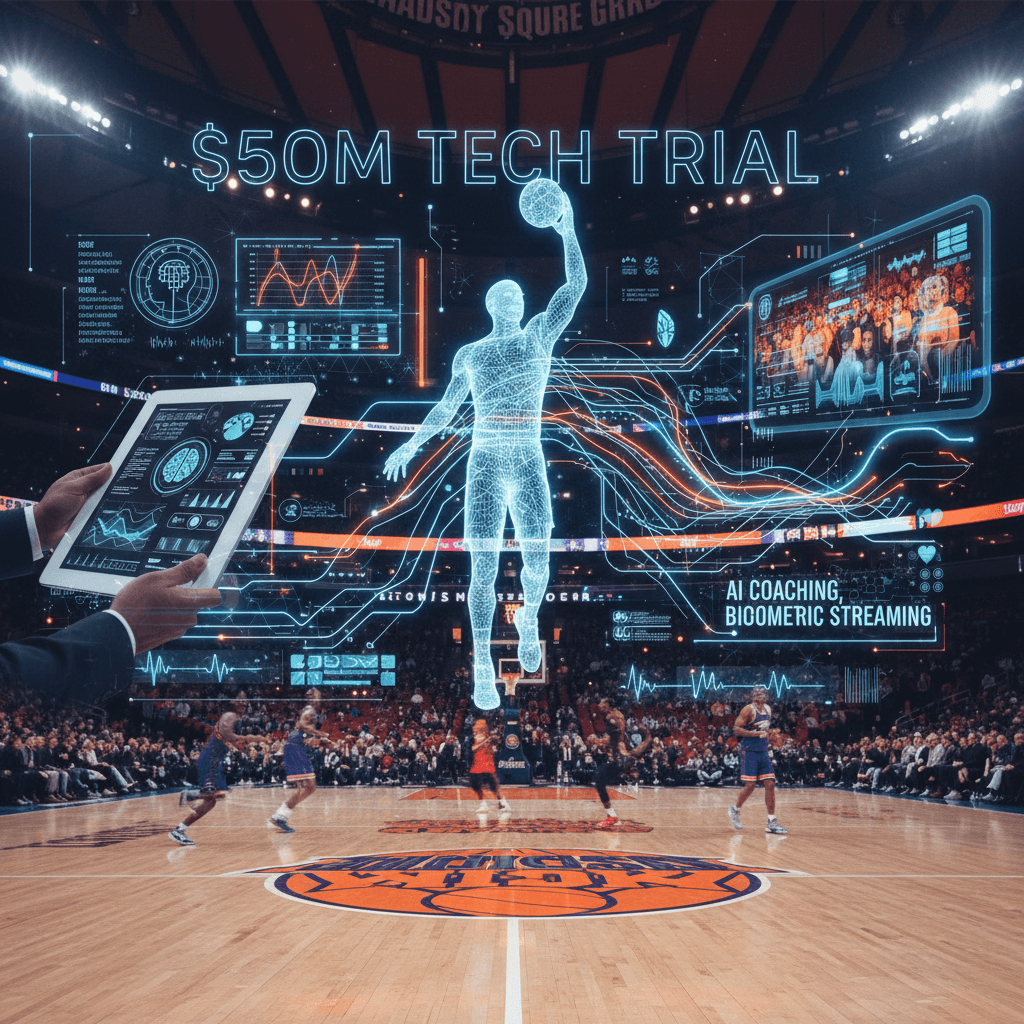
Big East Tournament: The $50M Tech Trial Hiding at MSG
IT & BIZTrending

Big East Tournament: The $50M Tech Trial Hiding at MSG

AC
Alex Chen

Senior Tech Editor

·4 min read·827 words
techhappeningsportsbehindtournament
Share:

The lights at Madison Square Garden are the same. The roar of 19,812 screaming fans is the same. The unmistakable squeak of high-tops on hardwood, the frantic energy of a team trying to punch its ticket to the NCAA Tournament—it all feels comfortingly familiar. For five days every March, this tournament is a tribute to old-school, physical, defense-first basketball.

That’s the story everyone is telling themselves. It’s a great story. It’s also wrong.

While you’re watching UConn’s Donovan Clingan dominate the paint or Marquette’s backcourt orchestrate a fast break, you’re missing the real game. The most important strategic battles aren’t happening on the court or on the whiteboard in the locker room. They’re happening on a rack of servers in a data center in Ashburn, Virginia, processing millions of data points per second. The 2026 Big East Tournament has become a high-stakes, live-fire beta test for a suite of technologies that are about to fundamentally rewire the sports industry.

I’ve seen this playbook before. I saw it with fintech in the 2010s and with generative AI in the early 2020s. A legacy industry, rich with tradition and resistant to change, gets quietly infiltrated by tech. First, it’s a novelty. Then, it’s an advantage for a few early adopters. Then, overnight, it’s the only way to compete. Welcome to the new era of college basketball.

So What’s Really Happening Behind the Whistle?

The consensus narrative is that this tournament is about coaching pedigree and player heart. It’s Rick Pitino’s sideline genius versus Dan Hurley’s intensity. But a few cracks have appeared in that narrative for anyone paying close attention. Did you see that bizarrely timed timeout by Providence in the quarterfinals? Or the perfectly executed, yet completely out-of-character, defensive switch by Seton Hall to seal their opening-round win? These aren’t just gut calls. They’re data-driven, and in some cases, AI-suggested.
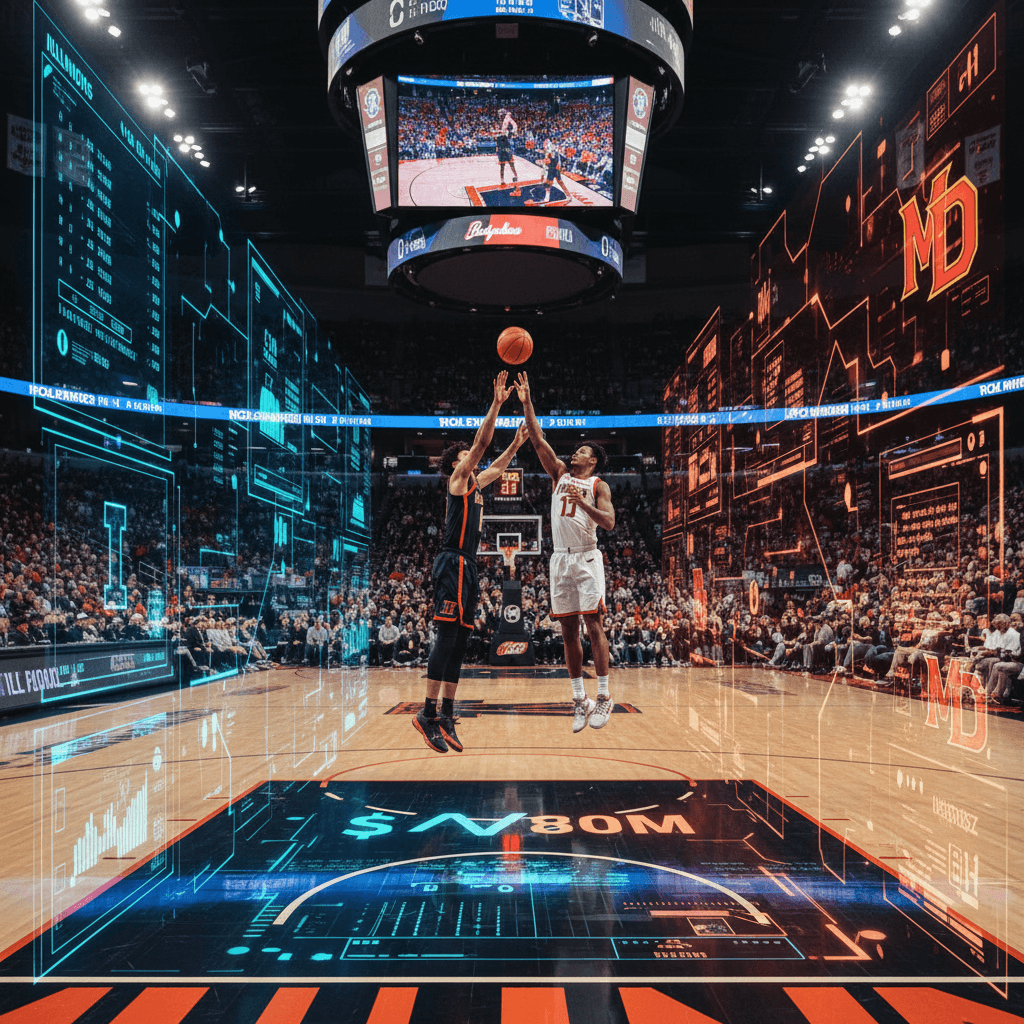
Behind the scenes, this tournament is a coming-out party for three key pieces of tech being quietly piloted by at least four conference teams and the league’s primary broadcaster, Fox Sports.

  1. Generative AI Coaching Assistants: Forget standard analytics. A stealth startup out of MIT, which sources tell me is called "CourtQuant," has provided a handful of coaching staffs with a real-time strategic engine. Using optical tracking data from the arena, the AI models millions of potential outcomes for every possession. It then feeds the highest-probability play-call or defensive set to an assistant on the bench via a tablet. It’s not replacing the coach; it’s whispering in his ear.
  2. Hyper-Personalized Broadcasts: If you’re one of the 50,000 users in the Fox Sports "OpticStream" beta, your viewing experience is completely different from everyone else's. By opting in and connecting your wearable (Apple Watch, Whoop strap), the broadcast AI uses your biometric feedback, viewing history, and even your fantasy league data to customize the experience. Are you getting tense during free throws? The stream might cut to a calming wide shot of Madison Square Garden. Did your fantasy player just grab a rebound? You’ll get an instant on-screen graphic with his updated stats. This is the end of the one-size-fits-all sports broadcast.
  3. Referee Augmentation: The officials are now wired in. A new system, piggybacking on the league's existing instant replay tech, provides real-time feedback on borderline calls. A subtle vibration in a wristband can confirm a three-point shooter’s foot was behind the line, or a quick audio cue can verify if a goaltending call is correct before the whistle is even fully blown. It’s designed to be invisible to the viewer, but it’s dramatically speeding up the game and increasing call accuracy.

This isn't some far-off future. I spent years debugging code at 2 a.m. to get systems a fraction as complex as this to work. The fact that it’s running, in real-time, in one of the most chaotic environments imaginable, tells me this tech is ready for prime time.

Is This Tech Actually Changing the Outcome?

This is always the million-dollar question. Is it just a shiny new toy, or does it deliver a real competitive edge? The early data from this season is compelling.

According to a source with access to the pilot program’s data, teams using the CourtQuant AI assistant have seen a 12% higher offensive efficiency rating on "AI-suggested" plays in the final four minutes of games compared to human-called plays. That’s not a small number. That’s the difference between a first-round exit and a championship run.

The game is becoming a fascinating hybrid of human intuition and machine logic. A coach might feel the momentum shifting and want to call a timeout, but the AI, analyzing player fatigue levels and shot probabilities, suggests waiting one more possession. The coach who can successfully blend their gut feeling with this new firehose of data is the one who will win. This isn't just a more advanced version of sports analytics; it's a fundamental change in decision-making. We're seeing a similar evolution in other sports, like the

Related Articles