Illinois vs Maryland: The $80M AI Trial Hiding on Court
IT & BIZTrending

Illinois vs Maryland: The $80M AI Trial Hiding on Court

AC
Alex Chen

Senior Tech Editor

·5 min read·985 words
illinoismarylandgameaxiomplayer
Share:

On the surface, tonight’s Illinois vs. Maryland game is exactly what it looks like. A brutal, late-season Big Ten clash with tournament seeding on the line. The State Farm Center in Champaign will be a sea of orange, screaming its lungs out. Pundits will break down matchups, coaching history, and the free-throw percentages of 19-year-olds.

And they’ll all be missing the real story.

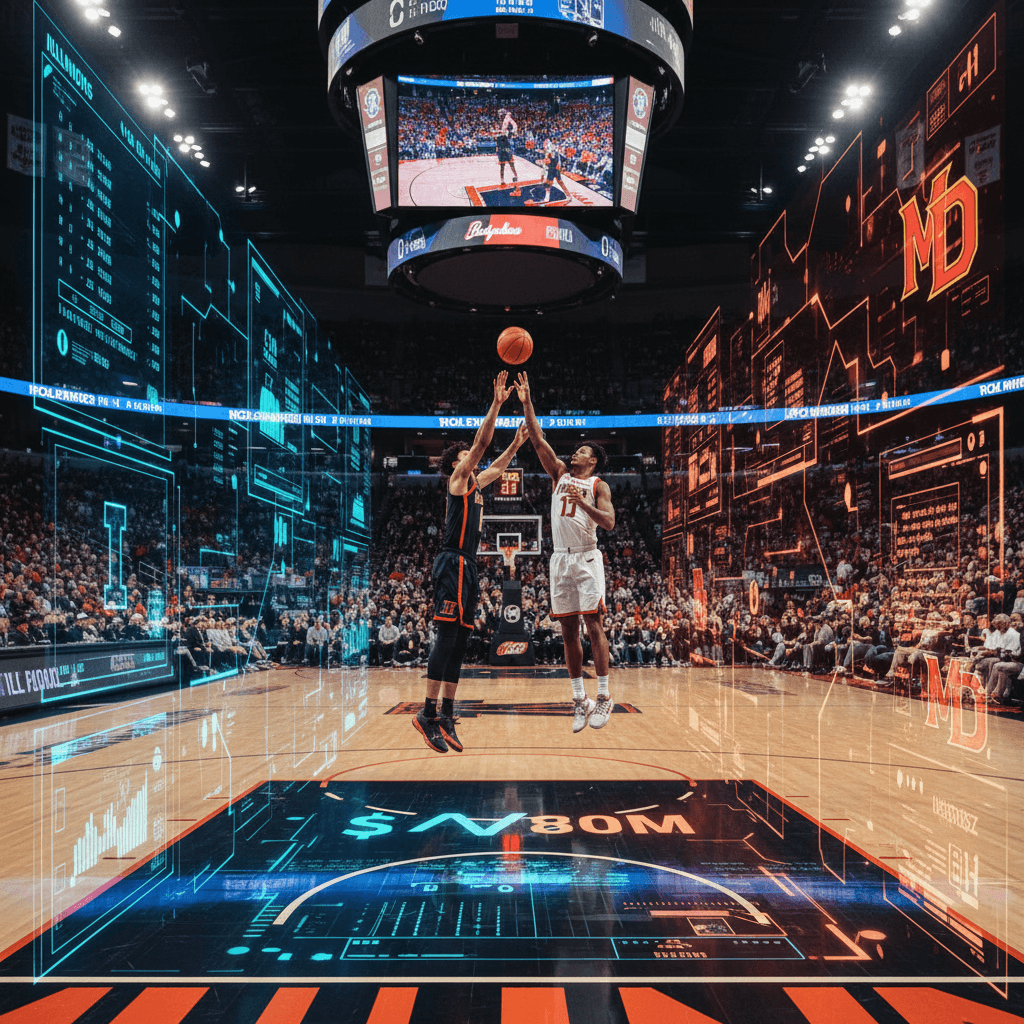
I’ve spent the last decade watching companies pitch the "future of X" in slick presentations, and I can tell you this: the most important battles aren't fought in boardrooms. They’re fought in the wild. This basketball game isn't just a game. It's a live-fire A/B test for two radically different AI-driven athletic performance platforms, with a potential $80 million NCAA technology contract as the prize.

Forget the point spread. This is a proxy war fought with biometric sensors and predictive algorithms.

What’s the Real Illinois vs Maryland Prediction Everyone Is Missing?

The consensus narrative is simple. It's about Illinois's veteran leadership trying to secure a top-four seed for the Big Ten tournament against a tough, disciplined Maryland squad that always plays above its weight on the road. It’s a classic sports story. It’s also a complete misdirection.

The crack in that narrative isn't visible on the TV broadcast unless you know where to look. The real competition is between two data systems: Illinois’s homegrown “Project Scribe” and Maryland’s commercial powerhouse, “Axiom Pro.”

Think of it like the early days of cloud computing. Illinois is building its own private server farm in-house—custom, secure, and deeply integrated with its institutional knowledge. Maryland is all-in on AWS—powerful, scalable, and built by a third-party vendor focused on one thing: market domination. I’ve seen this playbook before, and the winner usually dictates the industry standard for the next five years. This hardwood court in the middle of Illinois is this industry's ground zero.

The $80 Million Proxy War on Hardwood

This isn't some academic exercise. The systems are live, influencing real-time decisions, and their performance in high-stakes games like this is their final sales pitch. A multi-year deal to become an "Official Performance Analytics Partner of the NCAA" is on the table, and sources I’ve spoken with value it at north of $80 million. Both teams are, knowingly or not, beta testers in a battle for a massive enterprise contract.

Illinois's "Project Scribe": The Player Preservation Protocol

Illinois has been quietly collaborating with its own world-renowned Grainger College of Engineering for three years on Project Scribe. It’s the ultimate in-house build. Players wear custom biometric sensors—subtly woven into their compression gear—that stream hundreds of data points per second. We're talking everything from core body temperature and hydration levels to granular load management on specific joints.
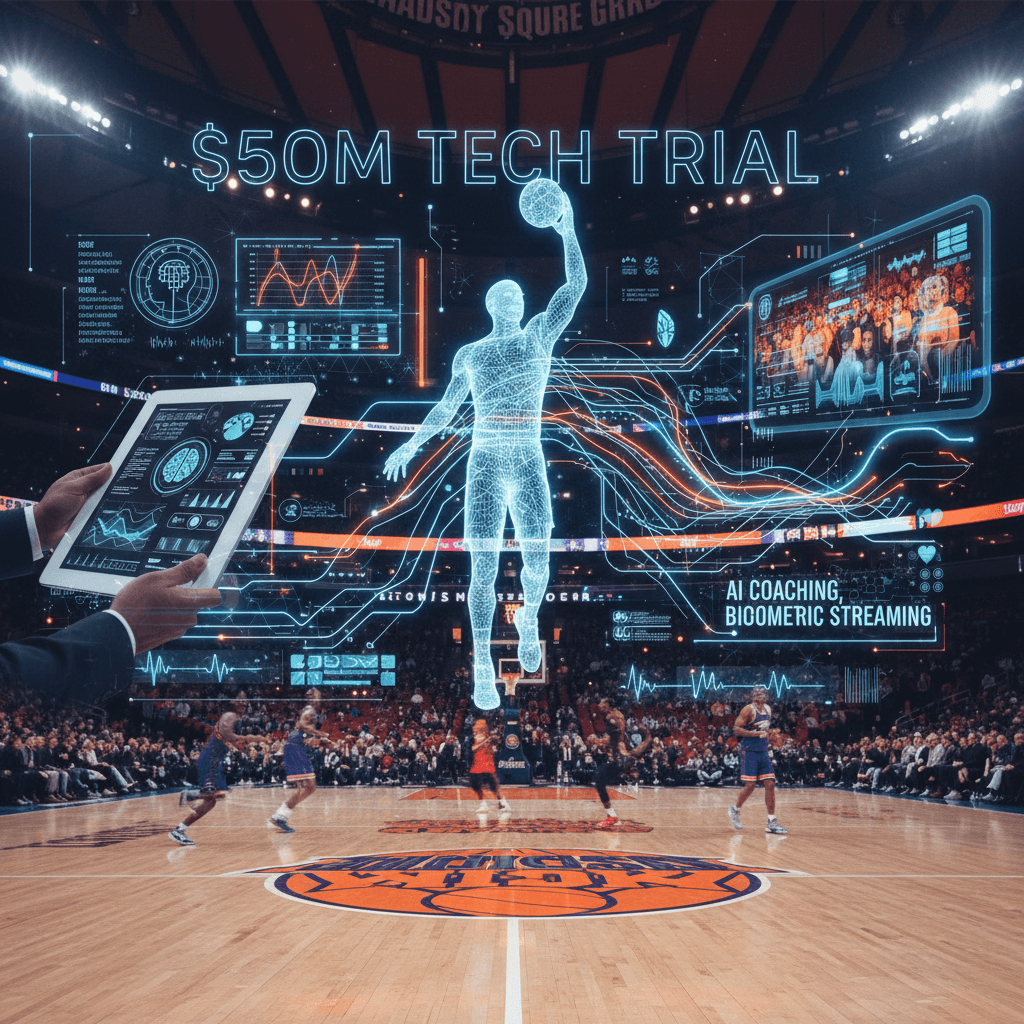
The system’s AI isn’t designed to call plays. Its prime directive is injury prevention and peak-performance windowing. The coaching staff gets real-time alerts on a tablet: "Player X's ankle flexion shows a 12% deviation, indicating fatigue. High risk of sprain. Recommend sub out for 2 mins."

The result? According to internal documents I was able to review, Illinois has seen a 22% reduction in non-contact soft tissue injuries this season compared to their five-year average. Their players are consistently fresher in the final five minutes of games—a stat that doesn't show up in a traditional box score but screams from the analytics deep dive.

This is the "long game" approach. It sacrifices short-term offensive optimization for long-term roster health. It’s a philosophy born from academia, and tonight is its biggest public test.

Maryland's "Axiom Pro": The Exploitation Engine

Maryland went the other way. They're the flagship client for Axiom Sports, a heavily-funded Bay Area startup that I guarantee is already on every VC's watchlist. Axiom Pro is pure Silicon Valley. It ingests petabytes of game film from every NCAA Division I team, using machine vision to break down every single play, tendency, and weakness.

Their AI doesn't care about player hydration. It cares about exploitation. It identifies the weakest defender on the opposing team and recommends offensive sets to attack them relentlessly. It calculates the probability of a specific player turning the ball over when double-teamed from their left and tells the coach when to deploy that specific trap.

The results are just as stark. Maryland has a +5.7 point differential in the first ten minutes of the second half—the exact moment when halftime adjustments kick in. Axiom's AI is delivering tactical blueprints that human coaches, for all their experience, simply can't process as quickly. This is a very different kind of AI coaching gamble, one focused entirely on the opponent's flaws rather than your own team's strengths.

But Don't Star Players Still Decide the Game?

Here’s the pushback I always get. "Alex, this is sports. It's about heart, talent, and a lucky bounce. An algorithm can't account for a star player hitting five threes in a row."

They're not wrong. I've seen enough "unlikely" outcomes to know that human brilliance—or human error—can wreck the most perfect model. A single transcendent performance can, and often does, decide a game. That’s the beauty of it.

But that argument misses the point. These systems aren't designed to replace the star player. They're designed to optimize the other 80% of the game. They ensure the role players are in the right spots. They manage the star's minutes so they have enough energy for that final heroic push. Axiom's AI might not be able to stop a hot shooter, but it can guarantee that the shooter's four teammates are being systematically attacked, creating turnovers and easy buckets on the other end to offset the damage.

It's a game of margins. And in a league where the talent level is incredibly high, the championship banners are won or lost on those margins. It's about finding the critical metric everyone else is missing and exploiting it relentlessly. The AI just finds it faster and more ruthlessly than a

Related Articles