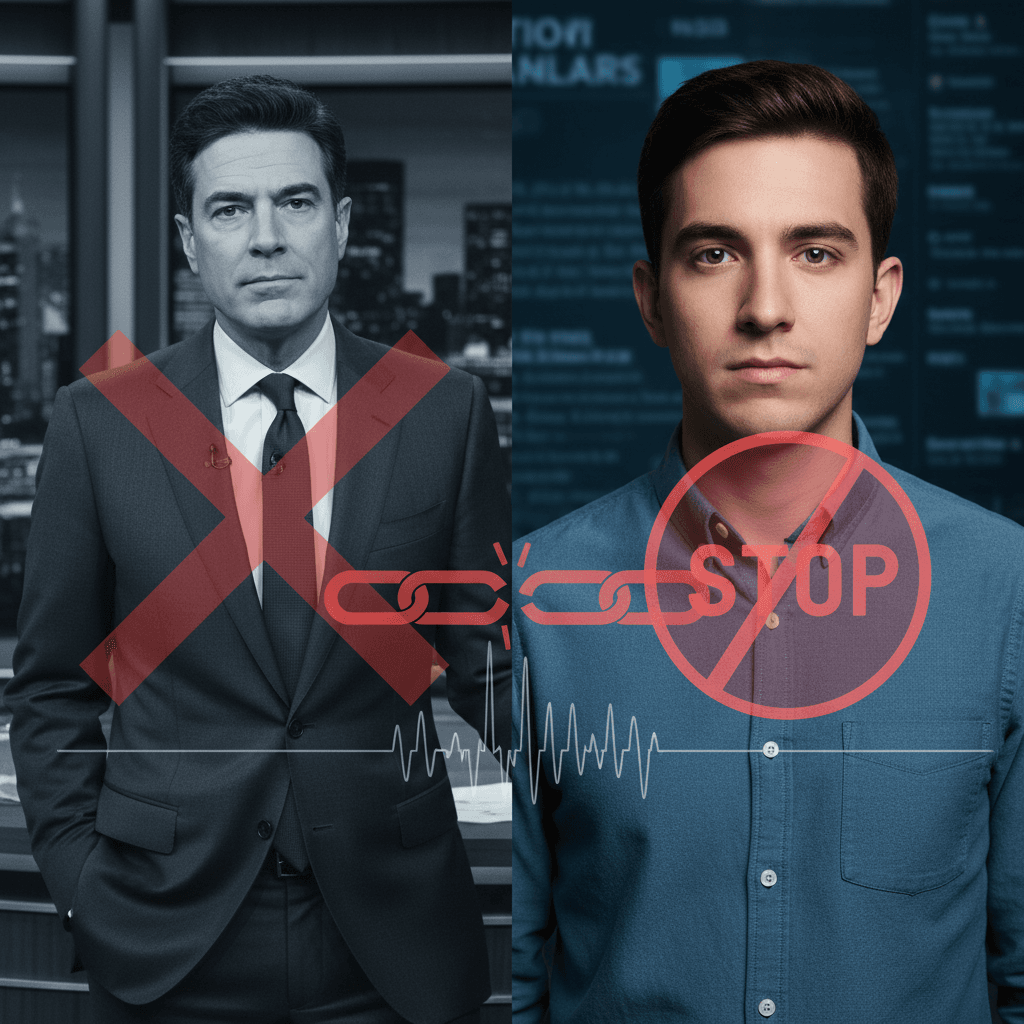
Alright, internet, can we talk about this whole Stephen Colbert/CBS drama for a second? Because honestly, my jaw practically hit the floor when Colbert himself dropped the bomb: CBS executives actually *blocked* an interview with Texas State Representative James Talarico on The Late Show. I mean, come on! This isn't just some behind-the-scenes production hiccup; this is prime-time network intervention, and it's got everyone — myself included — totally buzzing. It’s been trending hard, and for good reason. What does this even *mean* for late-night political talk, especially when we rely on these platforms for a blend of news and humor?
Why This Whole CBS/Colbert Situation Blew Up My Feed
What really grabbed me, and I think a lot of you too, is how utterly wild it is for a late-night host to pull back the curtain like this. Usually, the network suits make their calls in some hushed, mahogany-paneled room, and we, the audience, are none the wiser. But Colbert, bless his heart, didn't just mention a "scheduling conflict" — he named names. He pointed directly to James Talarico and straight-up said CBS pulled the plug. That’s not a mere scheduling tweak; that’s an honest-to-goodness exposé. It instantly flipped a routine production decision into a massive conversation about free speech, corporate influence, and frankly, a whole lot of questions about who’s *really* calling the shots when it comes to what we see on TV. Is this just one of those "oops, corporate got cold feet" moments, or are we looking at something bigger? It feels like we're all trying to figure out if this is a one-off blunder — a moment of "corporate cowardice," as some are calling it — or the first ripple of a much larger wave of media self-censorship, especially with elections always looming and the political temperature cranked all the way up.
So, why Talarico? According to The Verge — always on top of the policy stuff, bless their hearts — the issue boils down to the notorious Federal Communications Commission (FCC) "Equal Time" rules. Now, if you're like me, your eyes might glaze over at "FCC rules," but stick with me: these regulations essentially say that if a broadcaster gives airtime to one political candidate, they might have to give equal time to their opponents. And apparently, these rules are causing all kinds of headaches lately, especially after other political figures — think folks who are actively running for office — popped up on shows you wouldn't typically expect, like even Saturday Night Live. My take? It feels like the networks are suddenly hyper-aware — maybe even paranoid — about anything that could upset the regulatory apple cart, especially with the political climate being what it is. It's a tricky tightrope walk between genuine journalistic inquiry and avoiding potential fines or lawsuits, but where do we draw the line?
Editor's take: I get that rules are rules, and the FCC is trying to keep things fair. But this feels like an overcorrection, like a network being so afraid of a hypothetical penalty that they stifle meaningful discourse. Are we really saying that a late-night talk show can’t host a thoughtful, engaged political figure like Talarico without triggering a full-blown FCC panic attack? It just smells like a lack of courage to me, especially when the stakes are literally about informing the public and fostering nuanced conversations. If late night is where many get their news and political takes — even if it's dressed up with jokes and skits — then clamping down on who gets to speak is, in my opinion, a serious problem for our civic health. We need more diverse voices, not fewer.
But who *is* James Talarico, really, and why does his blocked appearance spark such a strong reaction? He's not just another face in the crowd of state legislators. This guy has been making waves as a genuinely compelling voice in the Democratic party, especially with his background as a progressive Christian. As a fellow internet native who's seen the online discourse around faith and politics devolve into shouting matches, his approach is genuinely refreshing. He's not afraid to call out Christian nationalism — something that needs to happen more often, and with more clarity, if you ask me — and he’s a fierce advocate for public education. His whole vibe is about bridging these often-separate worlds of faith and progressive policy, which is incredibly rare and, frankly, vital right now. Think about it: a former teacher, a millennial, someone who speaks to a younger, more dynamic political base. For a network like CBS to shut down a conversation with someone this thoughtful and articulate, someone who genuinely represents a rising generation of political thought? It's not just a bummer; it feels like a colossal missed opportunity to engage with a voice that truly stands out. It makes you wonder: who are they trying to protect, and from what exactly?