I remember sitting in a cramped server room in 2012, sweating through my shirt while trying to figure out why a rack of Fermi-based cards kept tripping the circuit breaker. Back then, Nvidia was the "graphics card company." You bought their gear to play Crysis or to speed up some niche video encoding. If you had told me then that this same company would eventually carry the entire weight of the global economy on its back—and command a valuation that defies the basic laws of physics—I would have laughed you out of the building. But here we are.
The numbers coming out of Santa Clara aren't just high. They are, quite frankly, bizarre. We’ve reached a point where Nvidia’s valuation has hit a level that makes seasoned analysts look like they’re staring at a UFO. We are talking about a market cap hovering around $3.6 trillion. To put that in perspective, that is more than the entire GDP of the United Kingdom. It’s a number so large it stops being money and starts being a geological event.
The 38x Multiplier: Math for the Brave
In the old world—you know, the one where we cared about things like "revenue" and "sustainability"—a Price-to-Sales (P/S) ratio of 10 was considered nosebleed territory. If a company traded at 10 times its revenue, you assumed it was either the Second Coming or a massive fraud. Nvidia is currently trading at a P/S ratio of roughly 38.
Think about that for a second. You aren't paying for the profits. You aren't even paying for the revenue. You are paying 38 dollars for every single dollar the company brings in the door, before they pay a single employee or buy a single wafer from TSMC. This isn't just optimism. It’s a collective bet that the future of human civilization is entirely dependent on the Graphics Processing Unit (GPU).
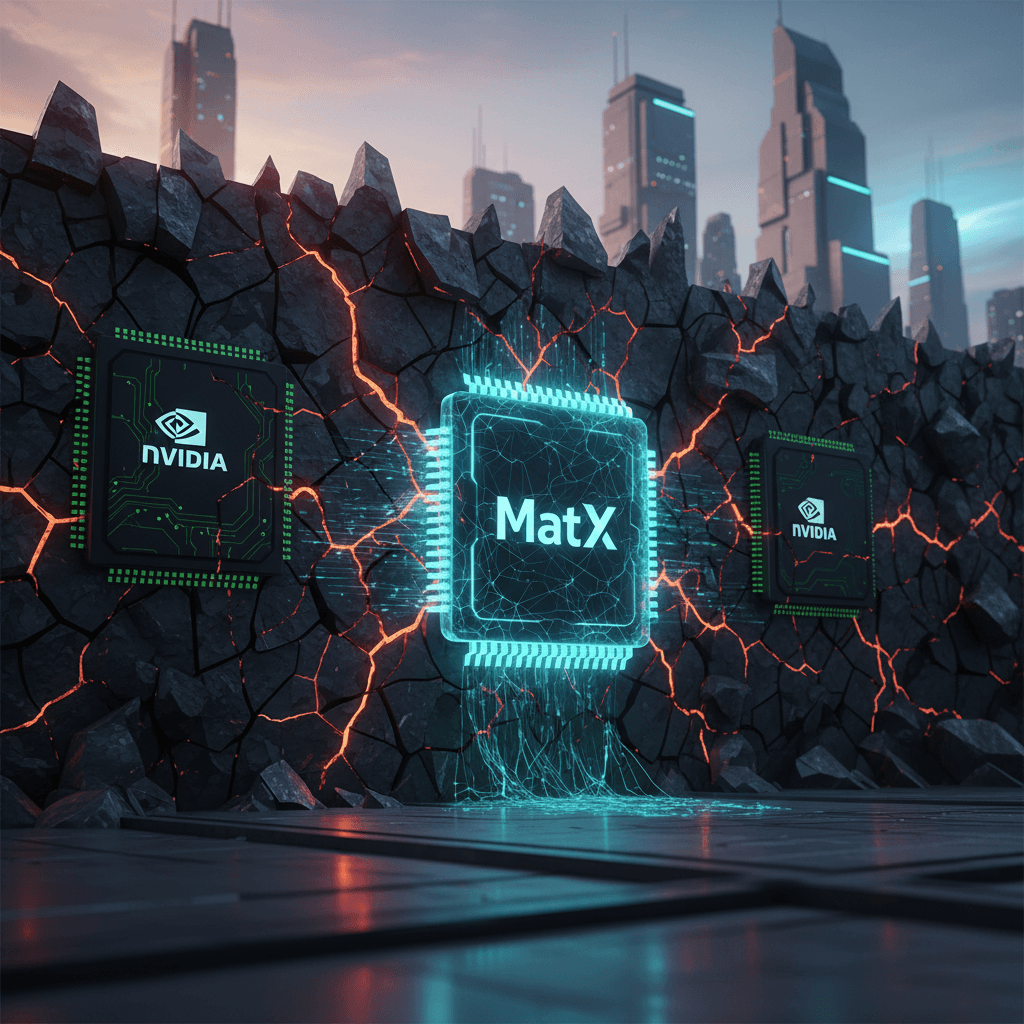
So why does this matter to you? Because Nvidia and its partner ASML are holding up a shaky market ceiling. If Nvidia sneezes, the S&P 500 catches a terminal case of the flu. Most of your 401k is likely hitched to this wagon whether you like it or not. The concentration of wealth in this one stock has turned the entire stock market into a high-stakes game of "Don't Let Jensen Drop the Chip."
The Ghost of Cisco Past
Every time I bring this up at a bar, some guy in a Patagonia vest tells me, "But Alex, look at the growth! They grew revenue by 262% year-over-year!" Sure. I see it. I also remember 1999. Back then, Reuters was writing the same glowing profiles about Cisco. Cisco was the "plumbing of the internet." You couldn't have a dot-com boom without Cisco routers. Their stock went to the moon, hitting a P/S ratio of about 37—almost exactly where Nvidia is now.