Spotify and SeatGeek Are Coming for Ticketmaster
I get a dozen press releases a day claiming to "revolutionize" some industry. Most go straight to the trash. But the announcement that dropped on February 18th—that Spotify is integrating SeatGeek's ticketing directly into its app—made me sit up. I’ve spent a decade watching companies try to build a better ticketing mousetrap, usually with little to show for it. This one, however, feels different.
Let's be real: buying concert tickets is a miserable experience. We’ve all been there, stuck in a digital queue for 45 minutes, staring at a little blue loading bar while a server somewhere decides our fate. Then you finally get through, only to find that the $80 ticket now costs $135 thanks to a laundry list of fees more creative than the band you're trying to see. It’s a system designed to exploit fan excitement, and for years, we've had little choice.
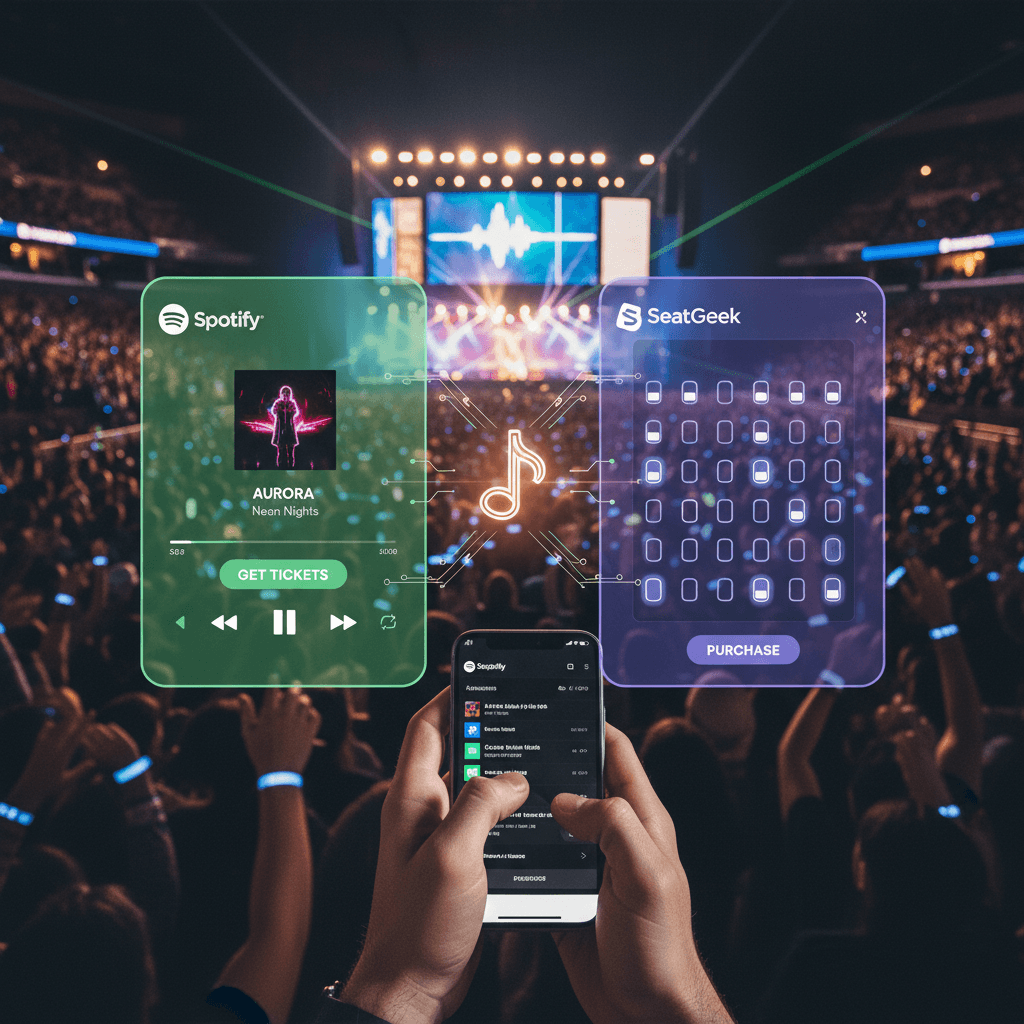
This partnership isn't just another link-out to a third-party website. It's a deep integration aimed at Spotify's staggering 615 million monthly users. The pitch is simple: you're listening to an artist, you see they have a local show, and you buy a ticket in three taps without ever leaving the app. It's the "frictionless" dream that e-commerce evangelists have been chasing since I was debugging code in my college dorm room. And it’s a direct shot at the king of the castle, Ticketmaster.
This isn't about fan convenience—it's a data-driven assault on a monopoly. Spotify knows exactly who is listening to what, where, and when. They’re weaponizing that data to sell tickets before you even think to search for them. It’s the smartest play I’ve seen in the live-event space in five years.
The timing is surgically precise. The live events industry has ballooned to a projected $35 billion market, yet it's plagued by consumer outrage. Remember the Taylor Swift and Bad Bunny debacles? Fans and regulators are furious over bot scalping and exorbitant fees, creating a massive opportunity for a trusted brand to step in. When SeatGeek and Spotify teamed up, they didn't just launch a feature; they tapped into a deep well of consumer anger.