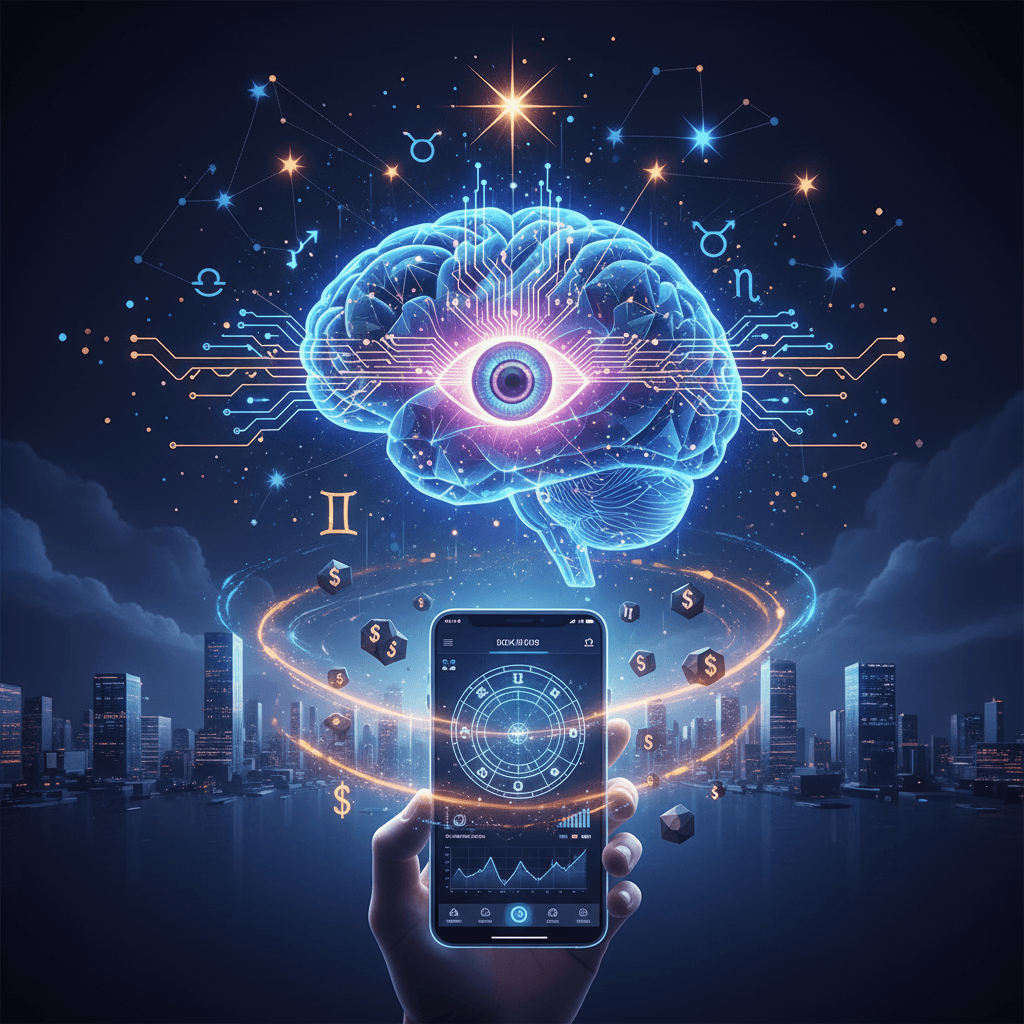
Let's get one thing straight. When you type "daily horoscope today" into your phone, you're not sending a request to the cosmos. You're pinging a server rack, likely somewhere in Virginia, that's running a sophisticated natural language generation model. The biggest story in astrology in 2026 has nothing to do with planetary alignments. It's about a venture-capital-fueled, AI-driven industry that has successfully productized your existential dread.
I've sat through enough product launches for social networks, photo-sharing apps, and "revolutionary" productivity tools to recognize a pattern. The pitch is always about connection, community, or self-improvement. The business model is always about data, engagement, and monetization. Astrology apps are just the latest, and frankly, most brilliant, iteration of this playbook.
They’ve wrapped a data-harvesting operation in the mystical robes of ancient wisdom. And it's working.
How Are Daily Horoscopes Determined in 2026?
Forget the syndicated newspaper columns of the 90s, written by one person for millions. Today’s horoscope is a bespoke product, assembled for an audience of one: you. The secret isn't a gifted mystic; it's a clever tech stack.
Leading apps like Co-Star, The Pattern, and Sanctuary operate on a simple but powerful premise. They start with your birth date, time, and location—data points that create a highly specific natal chart. But that’s just the hook. The real engine is the data you feed it every single day. Did you log your mood? Journal about a fight with your partner? Note your anxiety about a work project? Every interaction is a training signal for the algorithm.
“They combine this real-time user input with a vast corpus of astrological texts and, most critically, data on what push notifications and phrases generate the highest engagement. Your daily horoscope isn't divined; it's A/B tested.”
The result is a feedback loop. The app gives you a vague but slightly specific piece of advice ("You may feel a tension between your public duties and private needs today"). You find it resonates, so you engage more. The app learns what kind of "tension" gets you to open it again tomorrow. It's less about Mercury being in retrograde and more about your LTV—your lifetime value as a customer.