
Housing Market's 6% Lie: The Real Risk Hiding in 2026 Mortgages

Housing Market's 6% Lie: The Real Risk Hiding in 2026 Mortgages

DP
Daniel Park

Economy & Markets Editor

·2 min read·493 words
marketrateestatetalerealities
Share:

Everyone is obsessed with the wrong number. For months, the entire housing conversation has been held hostage by the 30-year fixed mortgage rate, which is currently hovering at a painful 6.25%. But that’s not the real story. It’s the buried lede, the thing hiding in the fine print that’s quietly reshaping the market and creating a brand new kind of risk.

The number you should be watching is 22%. That’s the share of new mortgage originations in the first quarter of 2026 that were Adjustable-Rate Mortgages (ARMs), up from just 8% a year ago. That’s not a trend. It's a stampede.

After years of being a niche product, the ARM is back with a vengeance. Why? Because it’s the only way a generation of buyers can even pretend to afford a home. Lenders are dangling initial "teaser" rates around 4.75%, a full 150 basis points below the fixed rate. For a buyer stretching to afford a $435,000 median-priced home, that’s a monthly payment difference of nearly $400. It’s the difference between qualifying and getting rejected.

It’s a deal with the devil, and an entire cohort of homebuyers is signing on the dotted line.

How's the real estate market right now? A Tale of Two Realities.

If you listen to the official narrative from groups like the National Association of Realtors, the market is "normalizing." They’ll point to national home prices, which are stubbornly up about 2% year-over-year. They’ll talk about a healthy, albeit slow, spring buying season. This is, to put it bluntly, a fantasy.

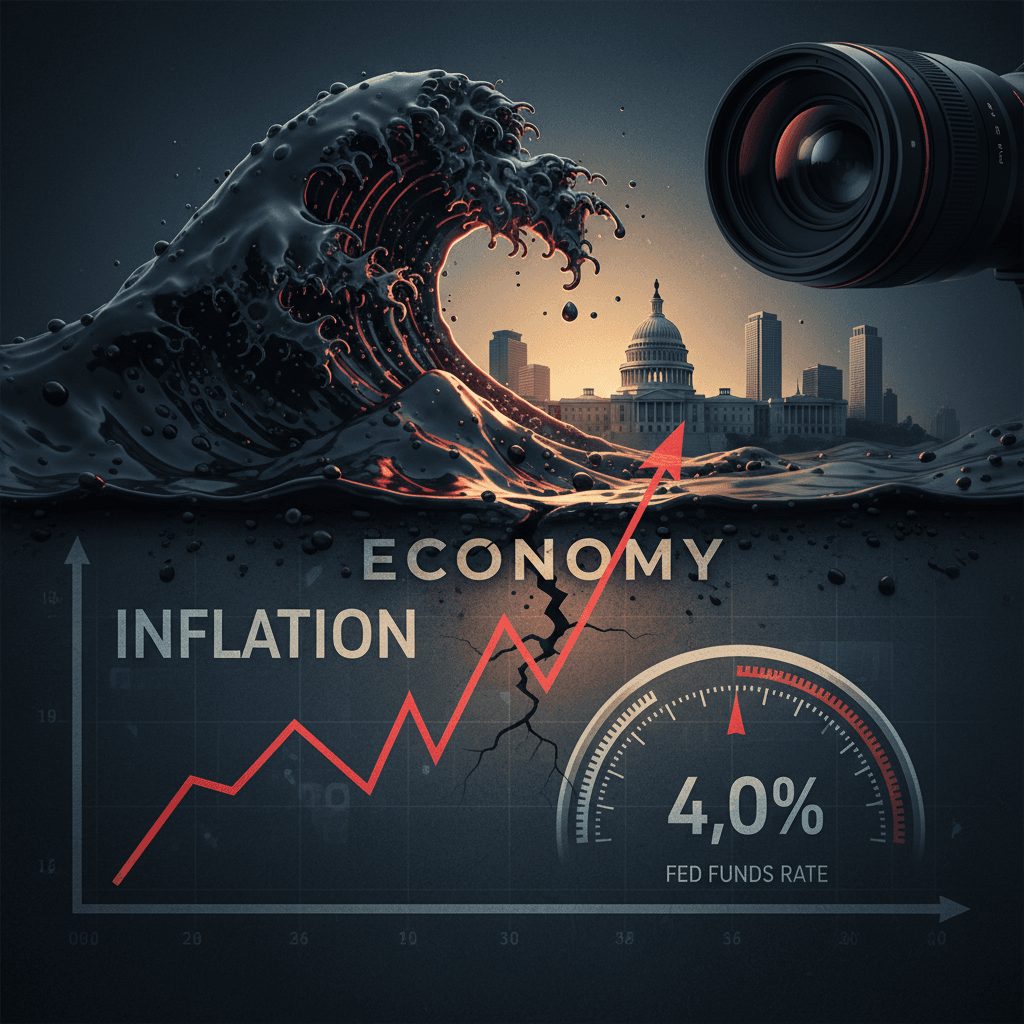
There is no single "housing market" in March 2026. There are two, and they operate in different universes.

Universe A: The owners. Anyone who bought or refinanced before 2023 is sitting on a sub-4% mortgage. They are not selling. Period. This "lock-in effect" has starved the market of inventory, which remains approximately 30% below 2019 levels. They have immense equity and are insulated from the current rate environment. They are doing just fine.

Universe B: The would-be buyers. This group is facing a brutal combination of high prices, high rates, and stagnant wages that aren't keeping up with true inflation. They are fighting for scraps of inventory against institutional investors. For them, the brutal truth about their 2026 wallet is that homeownership feels more like a lottery ticket than a financial plan.

This isn't a soft landing. It's a structural fragmentation of the market, cleaving society into the property haves and the permanent have-nots.

The New Danger: Following the Money into "Creative" Financing

So who benefits from this ARM resurgence? First, the banks. After years of holding low-yield 3% mortgages on their books, they are desperate to offload interest rate risk. An ARM does this perfectly—it transfers the risk of future rate hikes directly onto the homeowner. It's a brilliant financial maneuver, and a terrible deal for the consumer five years down the road.

But the bigger players are the institutional landlords. I’m talking about private equity giants—think

Related Articles