TECHVerge

The RAM Crunch Is an Extinction Event

Alex Chen
Alex Chen

Senior Tech Editor

·Updated 2d ago·5 min read·926 words
memoryshortagesupplyhardwareeveryone
Share:

The Most Boring Component Is Now an Existential Threat

Your next favorite gadget might never be built. Not because of a lack of venture capital, a flawed design, or a revolutionary new processor. No, it might die on the drawing board for a much more mundane reason: it can’t get any memory.

That’s the stark reality behind a recent warning from a key industry executive. In an interview first reported by The Verge, Phison CEO K.S. Pua stated bluntly that the current memory shortage could “kill a lot of companies’ products.” This isn’t the usual cyclical price fluctuation we’ve seen for years in the PC market. This is different. This is a supply chain being fundamentally reshaped by the ravenous appetite of a single sector: artificial intelligence.

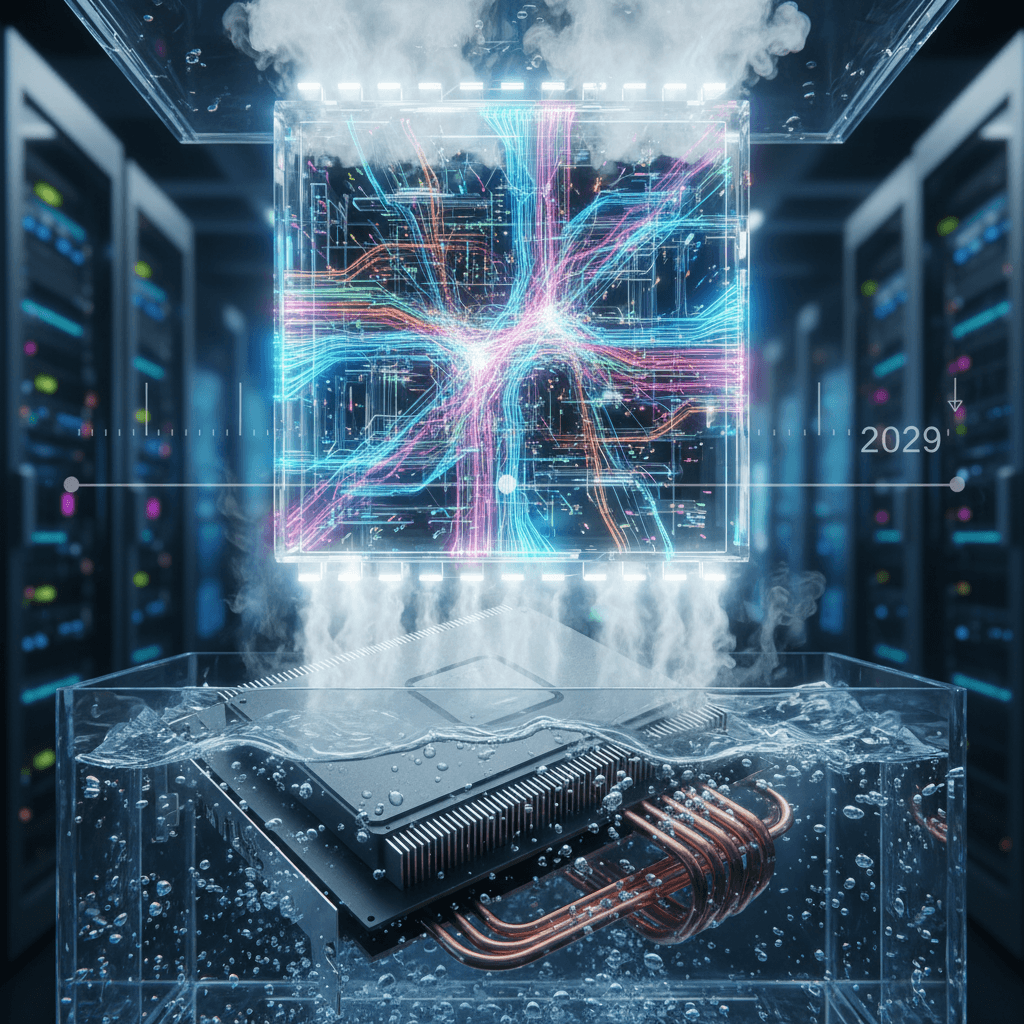
The core of the problem is a tale of two memories. The AI industry is desperate for High-Bandwidth Memory (HBM), a specialized, high-performance (and high-margin) type of RAM essential for training and running large models. To meet this demand, memory giants like SK Hynix and Micron are shifting production capacity toward HBM. So what’s the issue? That capacity has to come from somewhere. It comes directly at the expense of producing the next-generation standard RAM, DDR5, that the rest of the tech world—from laptops and smartphones to cars and IoT devices—was counting on.

Why This Is More Than Just a Price Hike

For a busy reader, it's easy to dismiss this as another component shortage that will mean slightly higher prices for a new laptop. But that misses the seismic shift happening underneath. The real issue isn't just cost; it's availability. And it's creating a dangerous chasm in the hardware world.

Think of it like this: a new, incredibly powerful type of fuel has been invented. But nearly the entire global supply is being bought up by a handful of Formula 1 racing teams. Everyone else, from commercial trucking to the family car, is left fighting over the dwindling, more expensive reserves of standard gasoline. That’s the situation with DDR5 right now. As the industry tries to move on from the older DDR4 standard, it’s hitting a wall. Market analysts at TrendForce predict DRAM prices could surge by as much as 20% in a single quarter, but even that assumes you can get your hands on it in the first place.

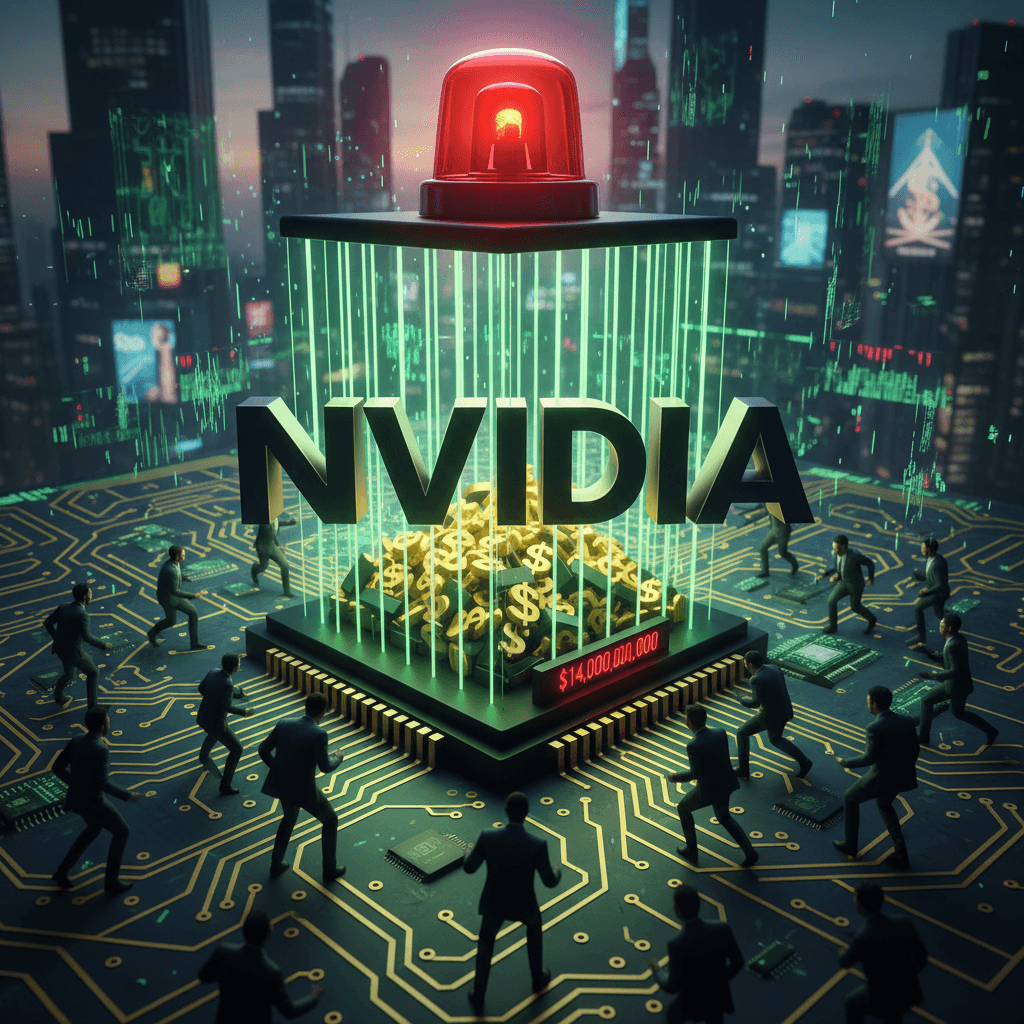
The AI giants—NVIDIA, Google, Amazon, Meta—can and will pay any price to secure the HBM they need. They are locked in an arms race where computing power is king, and memory is the gunpowder. According to some reports, demand for HBM is expected to nearly triple this year alone. That leaves everyone else scrambling for the leftovers.
The Angle Everyone Is Missing: A Great Consolidation

Here’s the part most analysts are overlooking. This isn’t a shortage that affects everyone equally. This is a resource reallocation that will be devastating for small players but merely an inconvenience for the giants.

A company like Apple or Dell has immense purchasing power and sophisticated supply chain teams. They place massive, long-term orders and can pay the premiums to jump to the front of the line. They will weather this storm. But what about the startup building an innovative smart home device? Or the crowdfunded company creating a niche handheld gaming console? They don't buy millions of units. They buy in the thousands. When they call a supplier, they're told there's no stock, with lead times stretching out for a year or more. For a small company, a year-long delay is a death sentence.

This is the "extinction event" Pua warns about. We are witnessing the quiet, unceremonious death of countless future products before they even have a chance to launch. The AI gold rush isn't just creating a new class of winners; it's starving the rest of the ecosystem into submission. The hardware landscape is being consolidated by force, with innovation becoming the privilege of those who can afford to hoard the most basic components.

I keep coming back to one thought, though. The AI hype cycle has created a resource vortex, sucking in capital, talent, and now, the most fundamental building blocks of technology itself. We're trading a diverse hardware ecosystem for an AI monoculture. And honestly? That scares me more than any single product cancellation. Five years from now, when we wonder why nothing interesting ships anymore, remember this moment.

What to Watch Next

This situation is dynamic, but the trajectory is alarming. A few key indicators will tell us just how bad the crunch will get over the next 12-18 months. Keep an eye on:

  • Memory Makers' Earnings Calls: Pay close attention to the upcoming quarterly reports from Micron and SK Hynix. Their guidance on the production mix between HBM and DDR5 will be the most critical data point.
  • Consumer Tech Launches: As new flagship laptops, desktops, and smartphones are announced later this year, check the spec sheets. A widespread retreat back to the older DDR4 memory would be a major red flag, signaling that even large companies are unable to secure enough DDR5.
  • Fab Construction Timelines: Building new fabrication plants is the only long-term solution, but it takes years and billions of dollars. News from outlets like Ars Technica about delays or accelerations in new fab construction will directly impact when this shortage might finally ease.

The future of technology isn’t just being written in code. Right now, it’s being dictated by the brutal, unforgiving logic of the global supply chain. And for many aspiring companies, the book is closing before the first chapter is even finished.

Related Articles